1. Talk through what you have
You describe the waste, where it is and who can reach it. The team explains what it can pick up and how access can be arranged.
CARE, Baltimore, MD · City of Baltimore
Have gloves, pads and syringes piled up after a long illness at home in CARE? Call (877) 812-4220. A cleanup team can sort, seal, label and remove the waste so nobody has to touch it.
If anyone is in danger, call 911 first. For a suicide crisis, call or text 988.
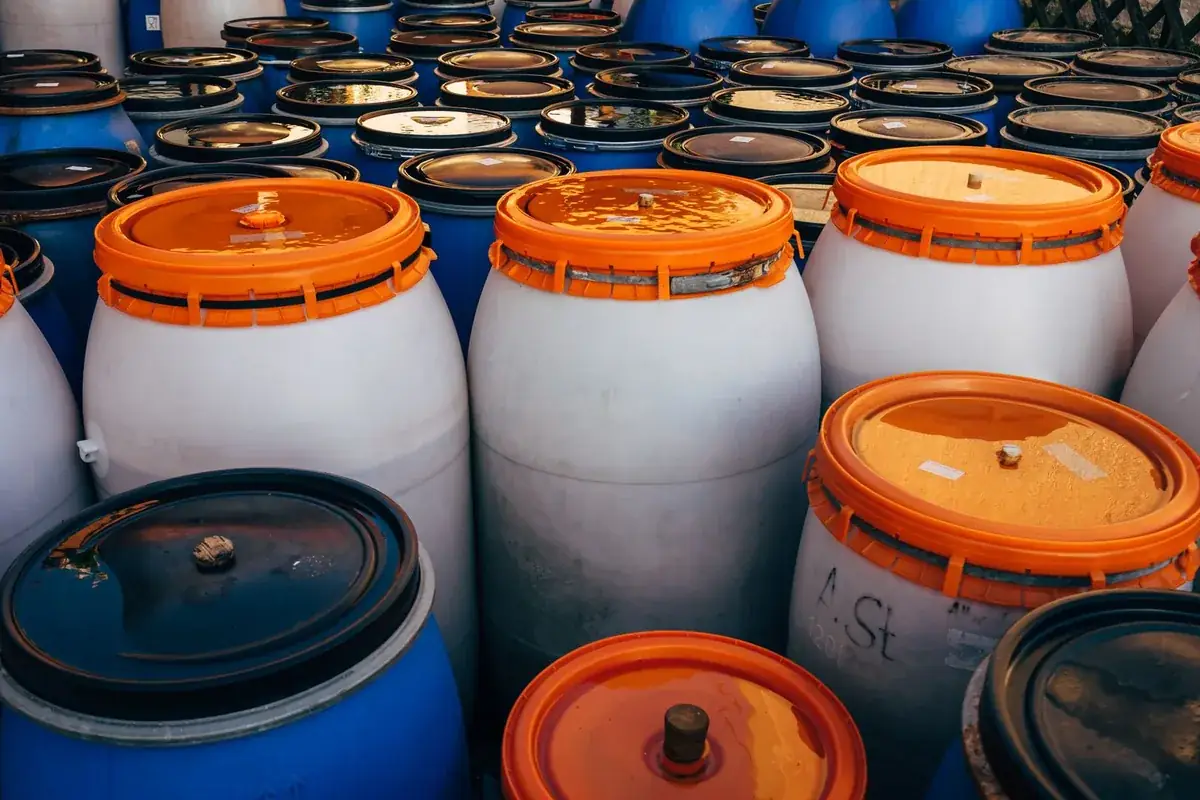
Biohazard waste removal means taking away items contaminated with blood or other bodily fluids and sending them to a facility that treats them. The cleanup team packs, labels and hauls everything, from sorting to final disposal.
If medical waste that does not belong in your household trash is sitting in your CARE home or business in City of Baltimore, call CARE Biohazard Cleanup Help. The team follows bloodborne pathogen safety practices and keeps the work discreet.
About 42% of residents in Baltimore are seniors who live alone, so a relative often has to clear medical supplies from a home after a move or a loss. Having medical waste on a property raises the chance of a stick or splash. Mercy Medical Center Inc, about 1 miles from CARE, is where many people go for care.
The work often covers:
You describe the waste, where it is and who can reach it. The team explains what it can pick up and how access can be arranged.
Crews wear PPE and bring containers made for sharps and soaked items. Owners do not need to move or sort anything first.
Each item is placed in the right container, sealed and labeled. Loose pieces are found with a careful sweep of the area.
The area is disinfected, the crew checks for remaining odor, and the owner gets a clear summary of what was done.
The cost of medical waste removal in CARE, Baltimore, MD depends on the amount of material, how it is packed and how it is hauled.
The type of waste matters. A few sharps containers take less handling than rooms of soaked supplies, and the amount of material changes the work.
| Type of job | Typical range |
|---|---|
| Dental office | $50 - $175 per month |
| Regulated medical waste | $0.30 - $0.80 per pound |
| Medical waste disposal | $2 - $20 per pound |
| Small physician practice | $75 - $200 per month |
Estimates only, not a quote. Sources: MedPro Disposal, Fixr. Price drivers include weight of waste, type of waste, how often pickup happens, container and transport fees. Call (877) 812-4220 to talk through the job.
No. This page explains the process of medical waste removal. It is not medical, legal or insurance advice. For exposure or symptoms, contact a doctor or Poison Control, and for rules in your area, ask the local health department.
Some pharmacies, hospitals and local programs accept small household sharps containers, and some do not. Call ahead and ask. Programs differ by city and county, and the local health department can point to the right place.
They are germs that spread through blood and some other body fluids. Hepatitis B, hepatitis C and HIV are examples. Workers who may come into contact with them are covered by the OSHA Bloodborne Pathogens Standard, 29 CFR 1910.1030.
A cleanup team can remove medical waste left after a death, such as needles, soaked supplies or contaminated linens. If the death involved a crime or an investigation, work starts only after authorities release the property. Ask about discreet arrival when you call.
They overlap. Medical waste removal focuses on collecting and disposing of the waste. Biohazard waste cleanup also covers cleaning and disinfecting the area, removing soaked materials and treating odor. Many jobs include both, and a cleanup team can tell you which fits.
It can be. A bandage soaked or dripping with blood may carry bloodborne pathogens, and handling it carelessly can expose skin or eyes. A lightly stained one is a smaller concern. If you are unsure, use gloves, bag it, and ask a cleanup team or the local health department what to do.
Describe what you have and ask how pickup and disposal would work.
Call (877) 812-4220